



Table of Contents
ToggleIf you’re diving into Hogwarts Legacy and wondering whether you’ll encounter the Dark Lord himself, the straightforward answer is no, Voldemort doesn’t appear in the game. But before you click away thinking that ruins everything, hold up. The absence of one of fantasy’s most iconic villains isn’t a flaw: it’s actually a deliberate and smart narrative choice that lets the game tell its own compelling story. Understanding why Voldemort isn’t there, and what that means for your experience at Hogwarts, gives you a better appreciation for what Hogwarts Legacy is really trying to do.
Key Takeaways
- Voldemort does not appear in Hogwarts Legacy because the game is set in the 1890s, roughly 100 years before his birth in 1926, creating a completely separate narrative timeline.
- The absence of iconic Wizarding World figures is a deliberate design choice that allows Hogwarts Legacy to tell an original story with its own compelling villains like Sebastian and Ranrok rather than serving as a prequel to Harry Potter’s events.
- Hogwarts Legacy respects the source material while maintaining independence by treating Hogwarts as a real place with authentic history, allowing players to build their own character story without predetermined fan service.
- The pre-Voldemort era setting gives players genuine agency and freedom to make meaningful moral choices about ancient magic and character relationships without being constrained by established Harry Potter canon.
- The game’s focus on the 1890s wizarding world—featuring the Goblin Rebellion and period-specific conflicts—ensures that your immediate stakes and decisions feel real and relevant to your character’s journey.
The Short Answer: Voldemort’s Absence From Hogwarts Legacy
Voldemort does not appear in Hogwarts Legacy. Full stop. The game takes place roughly 100 years before Harry Potter was born, which means the Dark Lord isn’t even a thought in anyone’s mind during the events you’re playing through. Tom Riddle, the orphan who would eventually become Voldemort, hadn’t even begun his journey toward darkness when your character is navigating the halls of Hogwarts.
This isn’t an oversight or a missed opportunity from Avalanche Software. It’s a fundamental aspect of the game’s design. Hogwarts Legacy is set in a completely different era with its own protagonist, its own enemies, and its own stakes. The game isn’t trying to be a prequel to Harry’s story or a bridge to the events of the films. It’s a standalone adventure that happens to exist in the same universe.
Why Voldemort Doesn’t Appear In The Game
Timeline and Historical Context
The timeline is the biggest reason you won’t see Voldemort anywhere in Hogwarts Legacy. The game is set in the 1800s, specifically in the late 19th century, while Voldemort’s rise to power doesn’t happen until the 20th century. To be exact, Tom Riddle wasn’t even born until 1926, decades after the game’s setting. When you’re playing through Hogwarts Legacy, he’s not yet in existence, there’s no possible way for him to factor into the story.
This temporal separation is crucial to understanding the game’s entire approach. Developers didn’t exclude Voldemort because they forgot about him or didn’t have the rights to include him. They set the game in a different time period specifically to create a fresh narrative space.
Narrative Focus On A New Era
More importantly, Hogwarts Legacy is designed to tell a new story with new characters and new conflicts. The game wants players to experience Hogwarts during a period of significant change, featuring the Goblin Rebellion and dark wizards who pose immediate, tangible threats. These villains are relevant to this era and provide compelling reasons for players to act.
Including Voldemort would’ve forced the narrative into Harry Potter fan service territory. Instead, Avalanche Software crafted an experience that respects the world’s lore while standing on its own. Your character’s story matters because it’s not overshadowed by the eventual rise of the most powerful dark wizard ever to exist. The stakes feel real because they’re immediate, not because they’re building toward something we already know will happen.
The Game’s Timeline Explained
When Hogwarts Legacy Takes Place
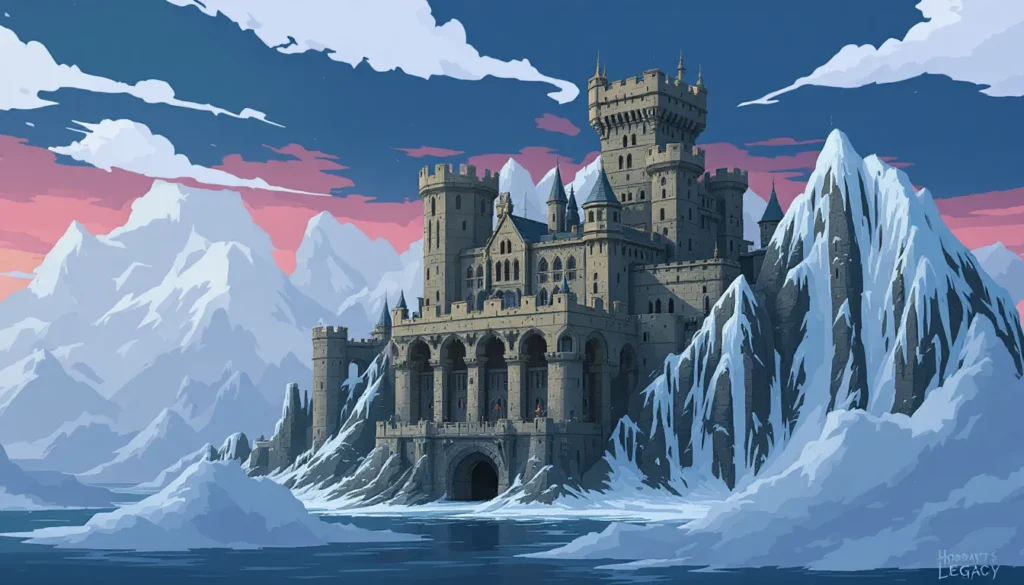
Hogwarts Legacy is set in 1890-1891, placing it roughly 100 years before the events of the Harry Potter books. The exact timeframe might vary slightly depending on which sources you reference, but the core point remains: this is 19th-century Hogwarts, not 20th-century Hogwarts. The castle itself looks recognizable to anyone familiar with the series, but the world around it is fundamentally different.
This era is significant because it’s far removed from the relatively peaceful (by comparison) years when Harry attended Hogwarts. The 1890s were turbulent times in the wizarding world. The Goblin Rebellion is in full swing, dark forces are stirring, and Hogwarts is dealing with threats that require immediate attention. The curriculum, the student body, and even the castle itself reflect this different historical moment.
What Was Happening To Voldemort During This Period
During the 1890s, Tom Riddle didn’t exist yet. He wouldn’t be born until 1926, making him roughly 36 years in the future from the game’s perspective. At this point in history, the wizard who would become Voldemort was still a possibility, not a reality.
What was happening in the wizarding world instead? The Goblin Rebellion was escalating. Dark wizards and witches were pursuing their own agendas. Ancient magic was being uncovered and studied. These were the issues that shaped this era, not the eventual rise of a dark lord. Understanding that Voldemort’s story was still decades away helps contextualize why he’s not present and why the game’s actual villains matter so much.
Harry Potter Canon Connections In Hogwarts Legacy
Familiar Faces And Easter Eggs
While Voldemort doesn’t appear, Hogwarts Legacy is packed with connections to the broader Harry Potter universe. You’ll encounter characters from the books, see locations that become important later in the timeline, and find references to events that haven’t happened yet from the game’s perspective. These Easter eggs reward longtime fans without feeling forced.
The game’s approach to canon is respectful and intelligent. When characters mention events from the future books, they’re treated as prophecy or legend, not spoilers. When you see locations that will be important in Harry’s time, they feel organic to the world rather than shoehorned in for fan service. Developers understood that you can honor the source material without making the game a slave to it. For a deeper jump into the game itself, the Hogwarts Legacy Archives on G Diner provides extensive coverage of the game’s lore and connections.
How The Game Honors The Wizarding World
Hogwarts Legacy respects the wizarding world by taking it seriously and expanding it thoughtfully. The game doesn’t use the Harry Potter universe as a theme park where you’re just here to check off fan-favorite moments. Instead, it treats Hogwarts as a real place with a real history, and your character’s story is genuinely important within that world.
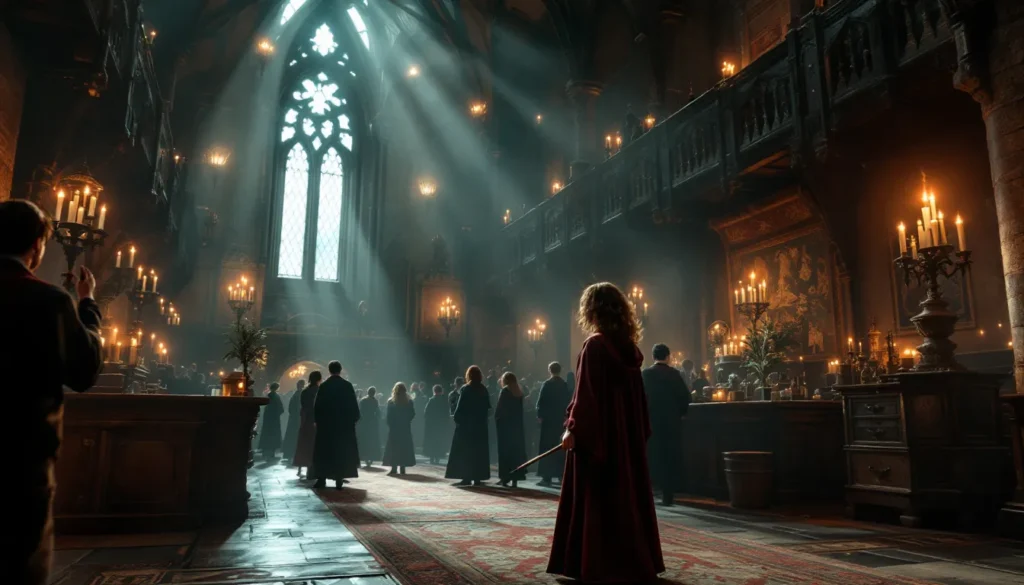
The developers clearly studied the source material. The castle feels authentic to how it’s described in the books. Spellcasting mechanics echo the magic system established in the series. Character archetypes and house dynamics reflect what longtime fans expect. Yet the game manages to tell a completely original story within these established parameters. It’s the difference between a game that’s set in the Harry Potter universe and a game that’s just a Harry Potter cash-in, and Hogwarts Legacy clearly falls into the former category.
What This Means For Your Gaming Experience
Building Your Own Story
The absence of Voldemort and other Wizarding World icons actually frees you to focus on what makes your character unique. You’re not playing as “the person who could’ve met Dumbledore” or “Harry’s ancestor.” You’re playing as yourself, with your own motivations, relationships, and moral code.
This creates genuine agency. Your decisions matter because they’re not predetermined by decades of established lore. When you choose to trust or betray Sebastian, you’re shaping a story that hasn’t been written yet. When you decide how to handle ancient magic, you’re not constrained by knowledge of what “really” happens. The game respects your ability to make meaningful choices, and that’s something that wouldn’t be possible if every major plot point was foreshadowed by existing Harry Potter canon.
Exploring specific questlines can change your perspective significantly. For instance, understanding Sebastian’s moral dilemma really highlights how the game lets you write your own narrative about good and evil.
The Freedom Of A Pre-Voldemort Era
Setting Hogwarts Legacy before Voldemort’s rise gives the game breathing room. The wizarding world in the 1890s has its own problems, its own villains, and its own magic to discover. Players aren’t constantly wondering how new plot elements connect to Harry’s eventual nemesis or what it all means for the larger timeline.
This freedom extends to the game’s tone and themes. Hogwarts Legacy can explore dark magic, moral ambiguity, and difficult choices without them feeling like they’re building toward a predetermined conclusion. You can complete your education, make your choices, and find your place in the wizarding world without your story feeling like a prologue to something else.
Conclusion
Voldemort doesn’t appear in Hogwarts Legacy, and that’s actually the right call. The game is set a century before his rise to power, which gives it the freedom to tell its own story with its own stakes and its own villains. Rather than diminishing the experience, this choice elevates it. You get to focus on your character’s journey, your moral decisions, and your relationships with other students, all without the shadow of the Wizarding World’s most famous dark lord hanging over everything.
The villains you do face, Sebastian, Ranrok, and the forces of darkness within and around Hogwarts, are genuinely compelling because they’re immediate and relevant. Your story matters because it’s not predetermined by 100 years of future events. Hogwarts Legacy succeeds precisely because it respects the world it’s set in while refusing to be imprisoned by it. That’s what makes it a worthwhile experience for anyone who wants to explore Hogwarts on their own terms, whether you’re a die-hard Potter fan or someone just looking for a solid action RPG. Fans diving deeper into the lore might also enjoy exploring the game’s spell mechanics and how combat systems work, spell combos offer surprising depth that rivals many action games.